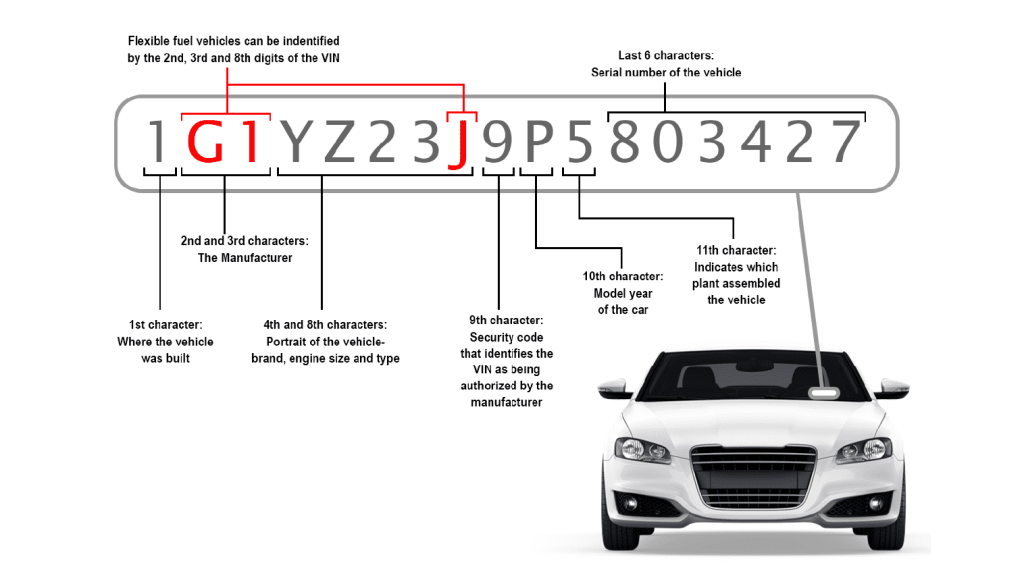
The 17-character code stamped on your car isn’t just a number—it’s the vehicle’s DNA. Yet in India’s used car market where 1 in 5 vehicles carries documentation discrepancies, most buyers never verify if the VIN (Vehicle Identification Number) matches across all locations. This single oversight costs buyers lakhs in stolen vehicles, cloned cars, and legal nightmares.
Real case: A Bangalore engineer bought a pristine 2019 Creta for ₹2 lakhs below market price. Three months later, police seized the vehicle—it was stolen from Delhi with cloned documents. The buyer lost ₹9 lakhs, faced legal proceedings, and spent months proving innocence. Five minutes of VIN verification would have prevented everything.
Why VIN Verification is Non-Negotiable
What is a VIN?
A VIN (Vehicle Identification Number) is a 17-character alphanumeric code—think of it as your car’s Aadhaar number. No two vehicles share the same VIN.
In simple terms: The VIN tells you the manufacturer, model, year, production plant, and unique serial number. It’s extremely difficult to fake, making it the most reliable vehicle identifier.
The Fraud Reality
Common VIN fraud scenarios:
- Stolen Vehicles: Thieves alter visible VINs but miss hidden ones
- Cloned Cars: Duplicate papers with same VIN sold to multiple buyers
- Cut-and-Join Jobs: Accident cars rebuilt using multiple vehicles with different VINs
- Insurance Fraud: Totaled vehicles resold with altered identities
The cost: A ₹8 lakh car with VIN discrepancies becomes unsellable—worth zero. Banks won’t finance it, insurance rejects it, police can seize it.
What You Need to Check
1. VIN Locations
Modern cars have VINs stamped in 5-7 locations. All must match exactly—even one character difference is a dealbreaker.
Primary locations:
- Windshield (dashboard area)
- Driver’s door jamb (B-pillar sticker)
- Engine bay (firewall stamping)
- Underbody chassis (most reliable)
- Registration Certificate (RC)
Complete VIN Location Guide & Decoding →
2. Tampering Detection
Critical red flags:
- Mismatched VINs across locations
- Tampered plates (fresh scratches, new rivets)
- Door sticker issues (peeling, blurry print)
- Chassis grinding marks or welding
- RC VIN differs from physical car
Complete Tampering Detection Guide →
Real Buyer Success Stories
The Clone Detection
Buyer: Anjali, Bangalore | Vehicle: 2019 Honda City | Price: ₹8.5 lakhs
Red Flag: CarQ VIN verification showed VIN already registered to active vehicle in Delhi with different color.
Outcome: Reported to police. Saved: ₹8.5 lakhs + criminal liability
The Cut-and-Join Detection
Vehicle: 2017 Fortuner, ₹3 lakhs below market
Red Flag: CarQ inspection found front VIN from Haryana, rear VIN from Gujarat, structural welding hidden under paint.
Outcome: True value: Zero (legally undriveable)
Your Action Plan
Never buy without three-layer verification:
Before Meeting Seller:
- Check theft reports, duplicate registrations
During Physical Inspection:
- Verify VINs at all 5+ locations (15 min)
- Photograph every VIN
- Any mismatch = walk away
Before Payment:
- Get CarQ history report (complete VIN analysis)
- Schedule professional inspection (tampering detection)
Verification cost: ₹1,500-5,000 Skipping it costs: ₹5-50 lakhs + legal complications
Deep Dive Resources
VIN Location & Reading Guide →
Learn where to find all 5-7 VIN locations, decode the 17-character structure (manufacturer codes, model year, production sequence), and verify which locations are most reliable.
VIN Tampering Detection Guide →
Master spotting altered VINs (grinding marks, re-stamping), detect clone cars (duplicate VIN fraud), identify stolen vehicles, and recognize physical evidence sellers can’t hide.
Key Takeaways
✓ VIN is your car’s DNA: 17 characters revealing manufacturer, year, model, unique identity ✓ All VINs must match exactly: Windshield, door jamb, engine bay, underbody, RC ✓ Technology beats manual checks: ₹299-1,499 online check reveals theft/clone/fraud flags ✓ Underbody VIN most reliable: Hardest to alter, best for detecting stolen/rebuilt vehicles ✓ Any mismatch = walk away: No explanations—it’s fraud, theft, or reconstruction
Pingback: Documentation Verification Essentials – The Paper Trail That Protects You – CarQ – Smarter Used Car Decisions