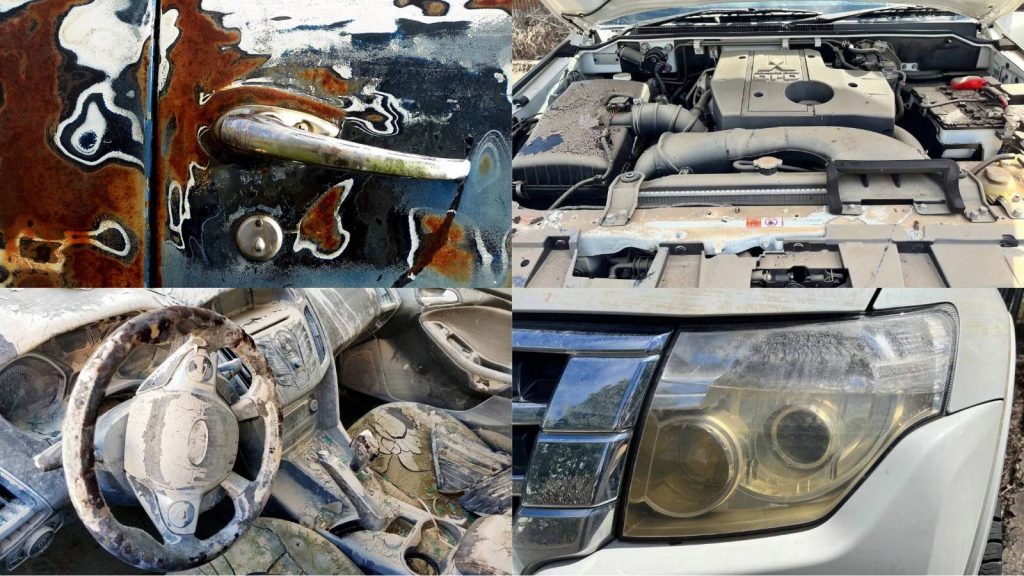
Water Ingress Evidence: How to Detect Flood Damage Through Physical Signs
That musty smell isn’t “just old carpet.” It’s ₹1.2 lakhs of hidden water damage.
The Smell Test: Your First Line of Defense
In simple terms: Flood cars have persistent musty smell—like wet books or basement mold—that air fresheners can’t mask. Moisture trapped in sound deadening material (foam padding under carpets) and seat foam creates odor for months.
How to Perform the Smell Test
Seal the car: Close all doors/windows for 30+ minutes (overnight best). Early morning test most effective.
Smell check: Open door quickly, smell immediately. Strong musty/mildewy smell = water damage.
AC test: Start car (windows closed), turn AC to max. Musty smell stronger = water in ventilation system.
Seller tactics: Air fresheners, ozone treatment (temporary 2-3 days), windows constantly open. Moisture in padding regenerates smell.
Your counter: Test early morning after overnight seal. Seller refuses = walk away.
Water Lines: Reading the Bathtub Ring
In simple terms: Water lines are horizontal marks showing flood height. Door sill level = minor flooding. Seat level = major flooding (walk away).
Where to Look
Trunk: Look at vertical surfaces (sides, rear seat back) for horizontal line where color/texture changes. Consistent height both sides = proof.
Under carpet: Lift edges in footwells, look for discoloration line on floor pan metal.
Doors: Inspect door panel fabric (lower sections) for horizontal discoloration.
Glove box: Check back wall/sides for water staining. Horizontal mark = water reached dashboard.
Under seats: Slide seats fully, look at rails and floor pan for water line.
Mud Deposits: The Evidence Sellers Can’t Clean
In simple terms: Normal use never puts mud inside dashboard vents. Mud there = definitive flood proof.
Where to Check
Dashboard vents: Shine flashlight in AC vents. Look for dried mud/silt. Check all vents (center, side, defrost).
Storage areas: Door pocket corners, center console cup holders (remove inserts), under floor mat bins.
Glove box: Empty completely, check corners. Remove liner if possible.
Seat belts: Pull fully out, check for mud at entry point where belt enters pillar.
Spare tire well: Remove spare, lift carpet, check for mud in well and on jack/tools.
Engine bay: Air filter box (mud = water entered intake—catastrophic), fuse box, alternator/starter crevices.
Carpet and Insulation Moisture Detection
In simple terms: Sound deadening material (foam padding under carpets reducing road noise) absorbs water and stays damp for months.
Visual checks: New carpet in old car, mismatched carpet, loose carpet, water stains.
Pressure test: Press footwell carpet. Flood-damaged feels spongy, may release smell/water.
Edge inspection: Lift edges, feel padding (should be firm, not crumbly). Check moisture.
Interior rust = water damage: Seat rails/bolts, dashboard brackets, door sill plates, floor pan (shouldn’t rust). New rust on old car = recently dried flood car.
Rust Patterns in Unusual Locations
Normal rust occurs on exterior body panels in humid climates. Flood rust appears where moisture should never reach.
Interior Rust Red Flags
Seat components: Rail rust, mounting bolt corrosion, adjustment mechanism rust, spring oxidation.
Dashboard: Screws behind panels, brackets, steering column components, wiring clips.
Doors: Hinge rust (internal side), latch corrosion, window regulator rust, handle bolts.
Spare Tire Well and Trunk
Check: Spare rim rust (hub area), jack corrosion, rusted tools, well bolt oxidation, trunk floor rust, hinge corrosion, latch rust.
Fogged Headlights and Taillights
Normal: Slight moisture that disappears within 1-2 hours. Flood indicator: Persistent moisture, visible water droplets, mud residue inside lens.
In simple terms: Lights have breather vents. Flooding fills them with water that stays trapped even after exterior drying.
Red flags: Multiple lights fogged simultaneously, fog doesn’t clear after 30+ minutes driving, visible water droplets, mud inside lens, corroded bulb sockets.
Professional Inspection: What Experts Check
CarQ professional inspection includes complete carpet removal, moisture meter testing, UV light inspection (reveals water stains invisible to naked eye), floor pan rust checks, seat bolt corrosion examination.
Cost: ₹3,000-5,000 | Prevents: ₹8-12 lakh flood car purchase | ROI: 16,000-40,000%
Key Takeaways
✓ Musty smell = walk away immediately – 30-second test prevents ₹10+ lakh disaster
✓ Water lines prove flooding – Horizontal discoloration shows exact water level reached
✓ Mud in vents = definitive proof – Normal use never puts mud inside dashboard vents
✓ New carpet in old car = red flag – Sellers replace carpet to hide water damage
✓ Interior rust = flood damage – Seat rails and dashboard components shouldn’t rust
✓ Multiple fogged lights = water intrusion – Normal condensation affects one light temporarily
✓ Professional carpet removal essential – DIY checks miss hidden water damage indicators
Pingback: Flood Damaged Cars: The Checklist to Avoid a Nightmare Purchase – CarQ – Smarter Used Car Decisions