Not all accidents are equal. A ₹12 lakh Creta with a replaced bumper might be worth ₹11 lakhs. The same car with frame damage? ₹6-8 lakhs—if anyone will even buy it.
The used car market treats all “accident history” as equally damaging. But a parking lot door ding is vastly different from a highway rollover. Sellers exploit this confusion, hiding major damage behind vague phrases like “minor touch-up” or “cosmetic work.” Here’s how to decode accident severity and protect both your wallet and your safety.
Minor Cosmetic Damage (5-10% Value Loss)
What qualifies as minor:
- Bumper scratches or single panel replacement (fender, hood, trunk lid)
- Surface-level damage with no frame involvement
- Paint correction on original panels
A 2020 Honda City worth ₹10 lakhs with a replaced front bumper (₹18,000 repair) should sell for ₹9-9.5 lakhs.
In simple terms: If only the “skin” was damaged (plastic bumpers, outer panels) with no impact to the structural “skeleton,” it’s minor damage. Like replacing a phone case vs repairing a cracked screen—one is cosmetic, the other affects function.
Key checks: Panel gaps should remain 3-5mm consistent, paint must match perfectly in sunlight, and mounting brackets shouldn’t show impact damage beyond the replaced part.
Moderate Damage (15-20% Value Loss)
What qualifies as moderate:
- Multiple panel replacements (2-3 panels)
- Door replacement or quarter panel work (welded body sections)
- Suspension component replacement
Quarter panels (rear side body sections) and B-pillars (vertical posts between front and rear doors) are welded structural components, not bolt-on panels. Replacing them requires cutting and welding—affecting structural integrity.
In simple terms: Imagine replacing supporting beams in your house vs just repainting walls. Structural components can never be restored to factory strength after welding.
A 2019 Seltos worth ₹13 lakhs with replaced driver door, front fender, and quarter panel (₹1.8 lakh repair) should sell for ₹10.4-11.05 lakhs—a ₹1.95-2.6 lakh discount.
Critical checks: Factory welds are small, uniform, and evenly spaced. Repair welds are irregular with paint discoloration. Check door alignment and underbody paint near replaced panels.
Major Structural Damage (30-50% Value Loss)
What qualifies as major:
- Frame rails (main longitudinal beams under the car)
- Crumple zones (engine bay designed to collapse during impact)
- Pillars (A-pillar = windshield posts, B-pillar = between doors, C-pillar = rear window posts)
- Chassis straightening (pulling frame back into shape)
Crumple zones are designed to absorb impact once. After “repair,” the metal has already deformed—it can never protect properly in a second crash. Pillars form the passenger safety cage; damage here compromises rollover protection.
In simple terms: It’s like re-using a crushed aluminum can. You can hammer it back into shape, but it will never be as strong. In a second crash, it will collapse immediately.
A 2018 Creta worth ₹11 lakhs with repaired frame rails (₹3.2 lakh repair) should sell for ₹5.5-7.7 lakhs. Banks often refuse loans for such cars.
Deal-breakers: Frame straightening marks (torch burns, paint overspray on underbody), new bolts mixed with rusty original bolts, wrinkled metal near suspension towers.
Decision: Only consider at 40-50% discount if you plan to keep it until worthless. Resale will be nearly impossible.
Total Loss / Insurance Write-Off (Zero Resale Value)
When repair costs exceed 75% of the car’s IDV (Insured Declared Value – your car’s current market value for insurance), insurers declare “total loss.”
Example: 2017 Swift with ₹4 lakh IDV needs ₹3.5 lakh repairs. Insurance pays out ₹4 lakhs, car is salvaged and sold at auction for ₹1.5 lakhs. Buyer “repairs” it and tries to sell as accident-free.
Total loss vehicles have compromised safety, difficult insurance renewal, and near-zero resale. Banks typically refuse financing.
How to detect: CarQ vehicle history report shows total loss declarations. Multiple high-value claims in short timeframe (₹2 lakh + ₹1.5 lakh within 6 months) indicate likely total loss.
Impact Type & Severity
Frontal Impact (Most Common)
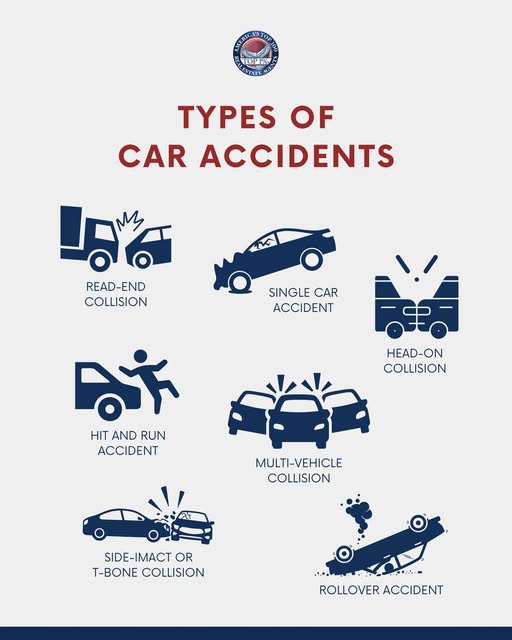
Damages hood, bumper, radiator, frame rails. If airbags deployed, it was high-speed (30+ km/h)—replacement costs ₹50,000-1,00,000 per airbag. Check engine mounts (rubber cushions connecting engine to frame) and radiator support alignment.
Side Impact (Most Dangerous)
Affects doors, B-pillar, side airbags. Cars have minimal side crumple zones—impact hits passenger cabin directly. B-pillar damage is catastrophic. Check door closing effort and pillar paint overspray.
Rear Impact (Hidden Risk)
Damages trunk floor and rear frame rails. Since rear rails are structural, damage affects entire chassis rigidity. Check trunk floor wrinkles and suspension mounting points for fresh welding.
Rollover (Walk Away Immediately)
Roof crush damages all pillars—the entire safety cage is compromised. Check roof paint overspray, pillar dents, and replaced window seals. Never buy a rollover vehicle.
Real Case: The “Perfect” Creta
A 2019 Creta diesel asking ₹12.5 lakhs, claimed accident-free. CarQ inspection revealed fresh paint on quarter panel and B-pillar, uneven panel gaps (left: 4mm, right: 7mm), ₹2.8 lakh insurance claim for “side impact,” and 12mm frame deviation.
Actual value: ₹7-8 lakhs. Buyer walked away. Seller later disclosed it was T-boned by a truck with full right-side frame repair.
Key Takeaways
✓ Minor cosmetic = 5-10% discount: Acceptable if disclosed and professionally repaired ✓ Moderate damage = 15-20% off: Proceed only with full repair receipts and professional inspection ✓ Major structural = 40-50% off minimum: High risk, difficult resale, safety compromised ✓ Total loss = walk away: Unsafe at any price ✓ Airbag deployment = major accident: Never buy without seeing replacement receipts ✓ Rollover damage = immediate rejection: Entire safety cage compromised
Pingback: Accident History 101: How to Spot a Repaired Car (Even When It Looks Perfect) – CarQ – Smarter Used Car Decisions